If you’ve ever felt overwhelmed by your home, unsure where to start, or quietly stressed by the amount of ‘stuff’ around you - you’re not alone. Clutter doesn’t appear overnight - it builds up slowly, often during busy or emotional periods of life.
Hiring a professional declutterer isn’t about having a perfect home, it’s about support, clarity, and creating a space that works for you.
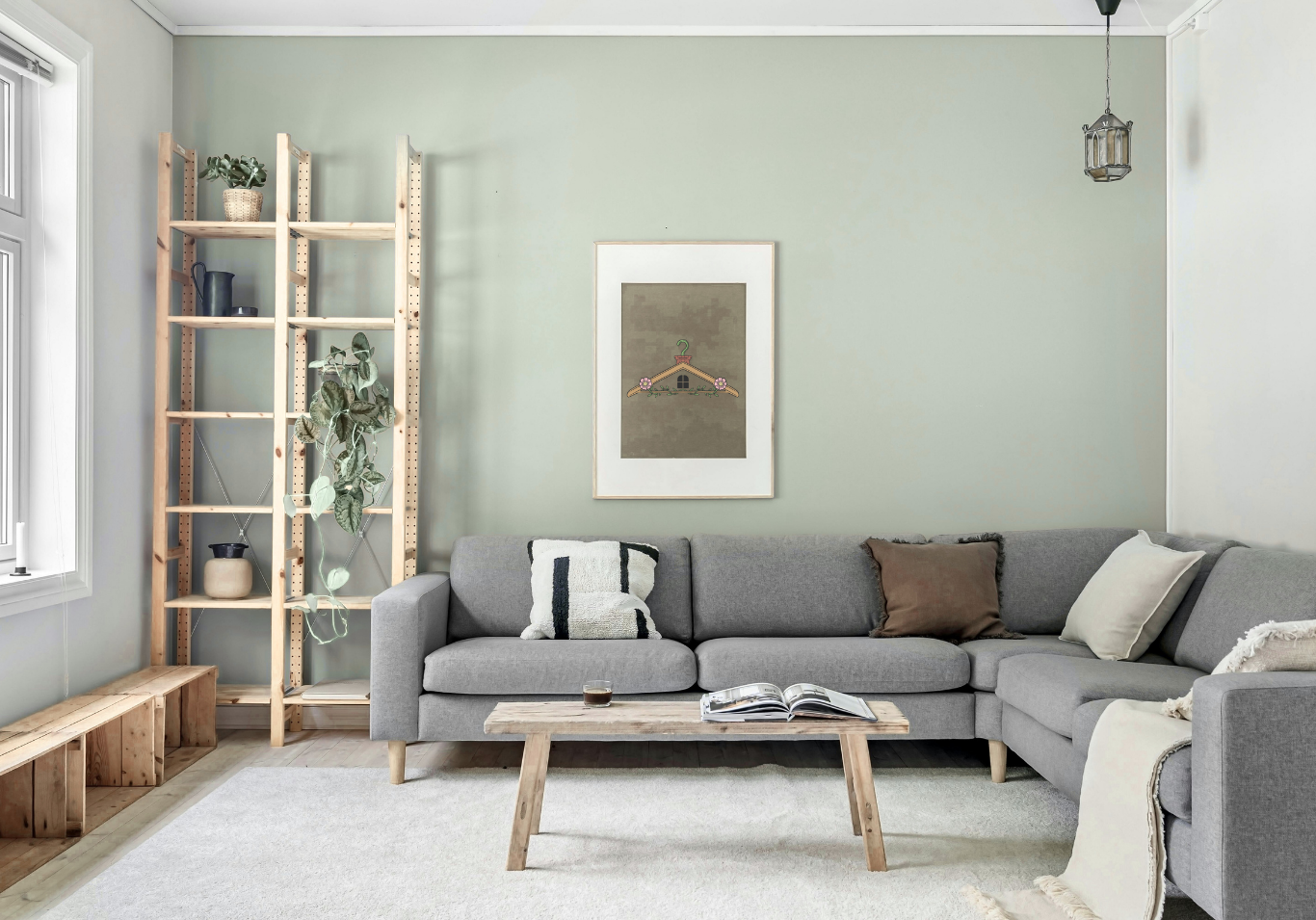
A calm, lived-in space
What is Decluttering?
Decluttering is the process of removing items from your home that no longer serve you, in order to create a more organised, manageable, and functional space.
Most of us declutter occasionally when the mood strikes, but for some people, clutter can slowly take over and begin to affect daily life - making even simple tasks feel harder than they need to be.
A professional declutterer helps when clutter feels overwhelming, emotional, or when you simply don’t know where to begin.
Common Fears About Hiring a Declutterer
You might be avoiding professional help because you worry that:
You don’t understand what decluttering really is.
They will force you to get rid of your belongings.
They are expensive to hire.
Only messy people or hoarders need a declutterer.
They’ll judge your home.
You’ll have to tidy up before they arrive.
They’ll make you buy endless storage boxes to make everything look aesthetic.
Your family can deal with your belongings later.
These fears are very common, and completely understandable.
The Reality
Here’s what’s actually true:
Decluttering is about support, not pressure. You are always in control.
A professional declutterer will never force you to throw away, donate or recycle anything. Your home and your belongings are yours. Our role is to help you decide.
Hiring a declutterer can save money in the long run by reducing stress, saving time, and avoiding duplicate purchases.
Many clients are busy professionals, parents, or people who are transitioning through life changes such as moving house, having a baby, experiencing bereavement, or feeling burnt out. A cluttered home isn’t a failure, it’s often a sign you don’t know where to start.
Declutterers are practical, not judgemental. They’ve seen it all and you should never feel ashamed of your home.
You don’t need to tidy up before a declutterer arrives. Seeing how you actually live helps create systems that work for you.
Decluttering isn’t about creating a picture-perfect home, it’s about what functions in real life.
Leaving clutter for family members to sort later can be emotionally exhausting. Decluttering is often an act of kindness - to yourself and to others.
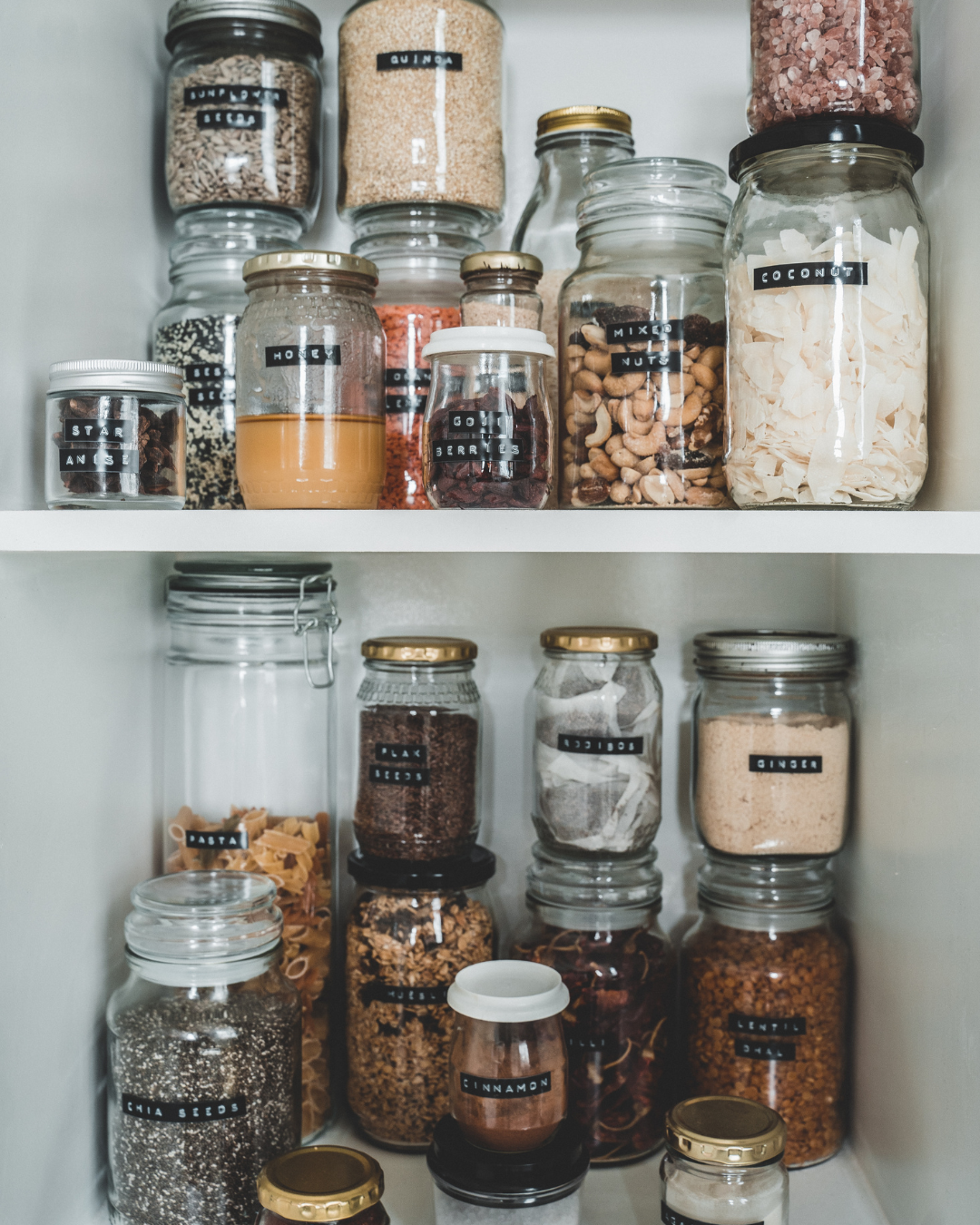
“I feel more comfortable in my own home than I have done in months.”
The Impact of Clutter
It’s important to acknowledge how clutter can affect both you and the people around you.
How Clutter Affects You
Living with clutter can be emotionally draining and belongings often carry memories, guilt, or “what if” thinking. Letting go can unexpectedly bring up emotions such as grief, regret, or fear.
Decision fatigue is very real. Decluttering involves constant decision-making, and without structure or support it’s easy to feel overwhelmed or give up partway through.
Decluttering also takes time and energy. It’s not just removing items - it’s sorting, deciding, donating, recycling, and reorganising, all of which can be hard to fit into an already busy life.
Progress isn’t always straightforward. When things take longer than expected, it can lead to frustration or a sense of failure, even when meaningful progress is being made.
How Clutter Affects Others
Clutter can impact relationships and household wellbeing in subtle but important ways:
• It can disrupt calm, meaningful communication
• Constant visual clutter can overwhelm the senses and increase stress
• Searching for misplaced items can lead to frustration and disengagement
• Shared spaces such as kitchens and living rooms can become sources of tension
• Small, repeated disagreements about mess and responsibility can build over time
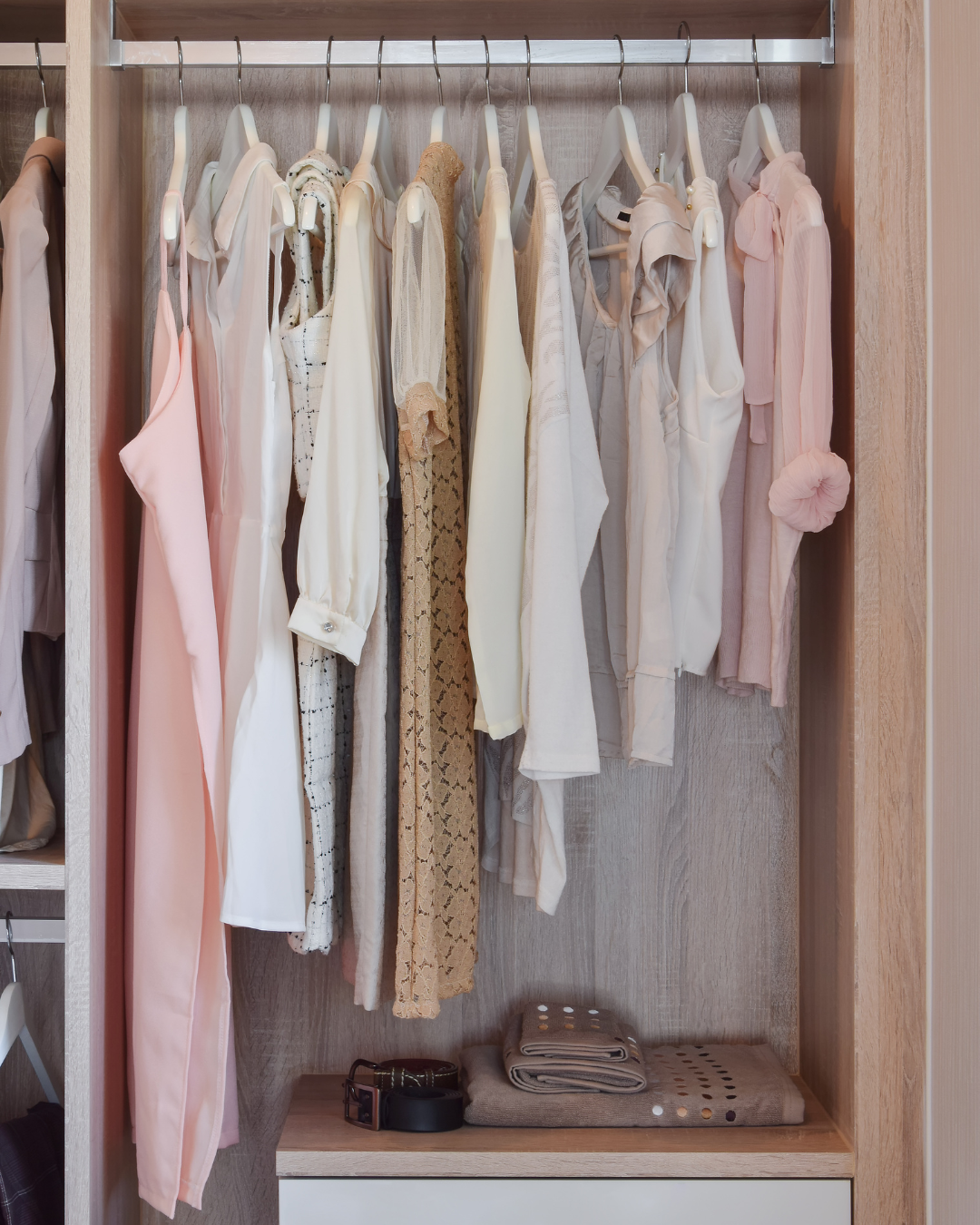
A calm, organised but realistic space
The Benefits of Decluttering
Decluttering isn’t just about having less stuff - it’s about how life feels afterwards.
• Reduced mental load. Fewer visible items mean fewer reminders, fewer decisions, and less background stress. Many people notice a calm they didn’t realise they were missing.
• Time saved every day. Knowing where things are and owning fewer duplicates makes routines smoother and quicker. Families often notice they argue less about chores and spend more relaxed time together.
• Spaces work properly again. Kitchens become easier to cook in, bedrooms more restful, and storage areas easier to maintain.
• Greater confidence and clarity. Decluttering builds decision-making skills and helps people feel more capable and in control — at home and beyond.
• Easier life transitions. Moving, downsizing, or supporting family members becomes far less stressful when clutter has already been addressed.
• Less tension in shared spaces. Decluttering can reduce low-level conflict and help rebalance emotional labour.
• Improved communication. Understanding why items matter and learning to compromise encourages listening and mutual respect.
Let Me Help!
“Clutter is anything you’re keeping that doesn’t add any value to your life. Allow me to help you declutter and make room for the things that matter.”
If any of this resonates with you, you don’t have to do it alone. Support can make all the difference.
If you live in Cardiff and need my help, please get in touch today.